October 03, 2026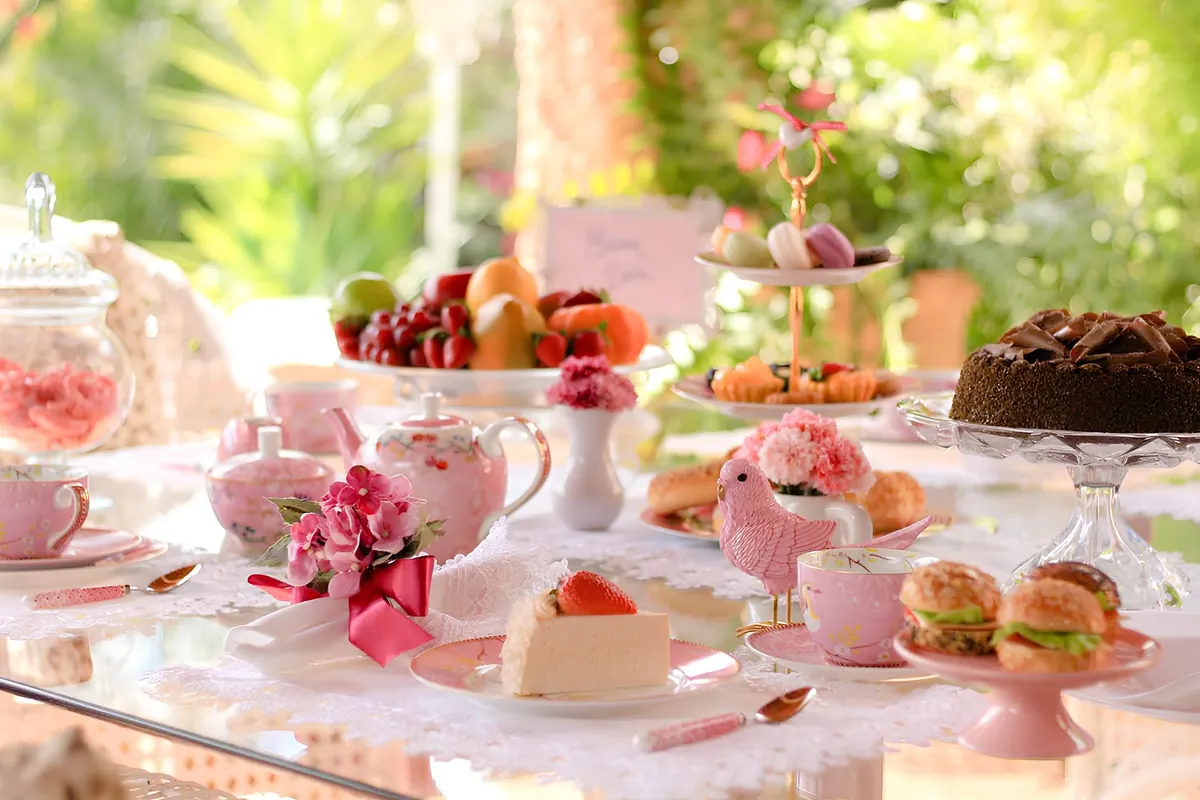
Afternoon tea at home is less about perfection than about pacing. Get the tea right, put food within easy reach, and keep the kettle moving. Everything else can be borrowed, improvised, or quietly skipped.
This checklist follows the decisions in the order you'll actually make them: what kind of afternoon you're hosting, which teas to buy, how long to steep them, what lands on the plate and when.
Decide the Shape of the Afternoon First
Before you shop, answer three questions. How many people? What time? And is this seated at a table or spread across the kitchen island?
Traditional afternoon tea sits between three and five in the afternoon, a bridge between lunch and dinner. Two hours is comfortable. Three is fine if people linger. Seated at a table is easier to serve and harder to set up; buffet-style is easier to host and harder for guests to manage a cup and a plate at once. Pick one, because it decides how much china you need and how you'll plate the food.
Then decide how many teas you'll offer. Two or three is generous. Six is chaos, and someone's pot will always be cold.
Choose Two or Three Teas, and Buy Enough
Build a small lineup rather than a long one. Cover three needs: something brisk that takes milk, something bright that doesn't, and something aromatic for people who want to try a second cup.
A practical tea lineup
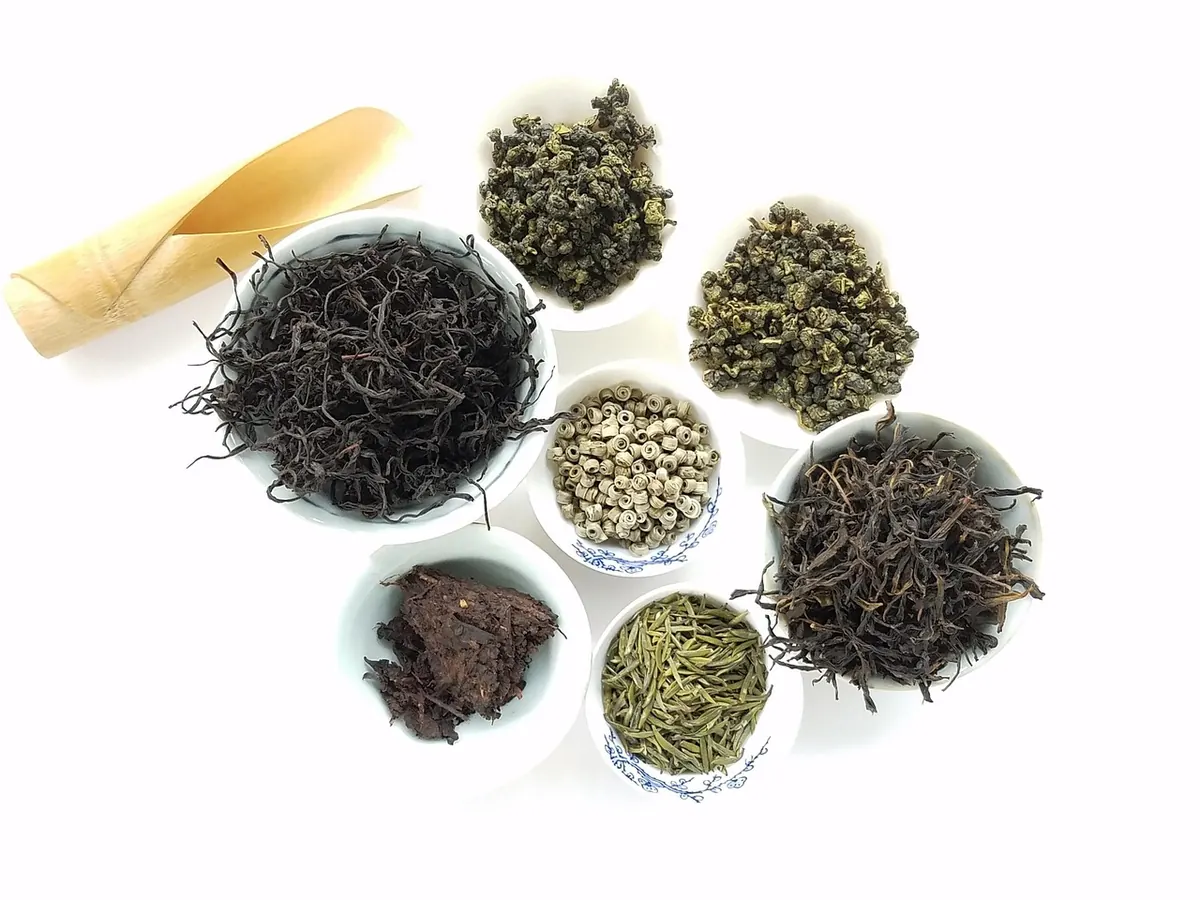
- A malty black: Assam, English Breakfast, or Ceylon
- Something brighter without milk: Darjeeling, a Chinese green, or a silver needle white
- Something floral or toasty: jasmine green, Tieguanyin oolong, or Earl Grey
- One caffeine-free option: rooibos, mint, or chamomile
Loose leaf gives you more control over strength, but good-quality bags are perfectly respectable. As a rough guide, figure two to three grams of leaf per 180ml cup, which is about a teaspoon, and assume most guests will drink two or three cups. A 100g bag of loose leaf goes further than people expect.
Brewing Timing That Actually Works
Water temperature matters as much as steeping time. Boiling water poured over a green tea turns it bitter and grassy in a way no amount of sugar fixes. Lukewarm water on a black tea produces something flat and dusty.
- Black: 95–100°C / 200–212°F, 3–5 minutes
- Oolong: 85–95°C / 185–205°F, 3–5 minutes
- Green: 70–80°C / 160–180°F, 1–3 minutes
- White: 80–85°C / 175–185°F, 4–5 minutes
- Herbal: 95–100°C, 5–7 minutes
Brew in pots, not cup by cup. Warm the pot with hot water, tip it out, add the leaf, then the water, and set a timer you can hear from the table. Use a teaspoon of leaf per cup plus one for the pot.
If you're serving more than one tea, use a separate pot for each. A jasmine note lingering in an Assam pot is noticeable, and not in a good way. Keep a small pot of plain hot water on the table too, so guests can dilute a strong cup without asking.
The Food: Three Courses, Served in Waves
The traditional order runs savories, then scones, then sweets. That sequence exists for a reason: it moves from salt to butter to sugar, and it lets you serve in stages instead of crowding the table with everything at once.
Savories. Thin-cut sandwiches with the crusts off if you're feeling classic. Cucumber with butter, egg mayonnaise with cress, smoked salmon with cream cheese, ham with a little mustard. Cut them into fingers about two centimetres wide and count on three or four per person.
Scones. One or two each, and keep them small. Serve with clotted cream or lightly sweetened whipped cream, plus jam. Warm them just before serving and keep them wrapped so they don't go cold and hard on the plate.
Sweets. Two or three small things: a tart, a shortbread, a square of something chocolatey. Small is the whole point. Sweetness here is a full stop, not a second meal.
What to drink with what
Black tea stands up to butter and cream. Green tea and lighter whites suit cucumber, fish, and anything delicate. Oolong bridges the gap and works with both scones and egg. If you're only serving one tea for the whole afternoon, a second-flush Darjeeling or an oolong is the safest middle path.
Setting the Table
Per person: a cup and saucer, a teaspoon resting on the saucer rather than in the cup, a small plate, a napkin, and a fork or small knife for the sweets. In the centre: the teapot on a trivet, a milk jug, a sugar bowl with cubes and tongs, and a strainer if you're pouring loose leaf.
Leave about 60cm of table edge per guest, so there's room for a plate and a cup without rearranging anything mid-sentence. A tiered stand looks lovely but placed dead centre it blocks conversation; set it slightly off to one side or use it as a display and plate the courses on the table instead.
The Flow of the Afternoon
Plan the rhythm before anyone arrives, because this is what makes hosting feel calm rather than frantic.
- On arrival: pour the lightest tea and pass one small savory. It gives guests something to do with their hands.
- Fifteen to twenty minutes in: bring out the scones. This is your one trip to the kitchen at a natural pause.
- At about the hour mark: sweets and a fresh pot. Some guests will want more of the first tea rather than a new one, so keep the leaves or bags handy.
- To finish: tea, not coffee. Clear plates quietly and leave the pot within reach so people can help themselves.
Two things go wrong most often. The first is tea left stewing in the pot until it turns bitter; pour it off into a second pot or brew fresh rather than trying to rescue it. The second is a host who never sits down. Make sandwiches up to an hour ahead and cover them with a damp paper towel under cling film. Scones can be made in advance and frozen, then baked from cold, which buys you twenty quiet minutes.
Before You Start, Two Small Notes
Ask about dietary restrictions rather than guessing. Gluten-free bread and a dairy-free spread cost very little to keep on hand, and a guest who can eat everything on the table relaxes immediately. Keep the caffeine-free option visible on the tray rather than buried at the back, too.
Keep It Small, Then Do It Again
If you take one thing from this list, take this: brew in pots, serve in waves, and don't let the table get crowded. The first afternoon tea you host will be slightly off in some way you only notice afterwards. By the fourth, the timing will be yours, and you'll be sitting down with a cup instead of standing in the kitchen.