October 08, 2026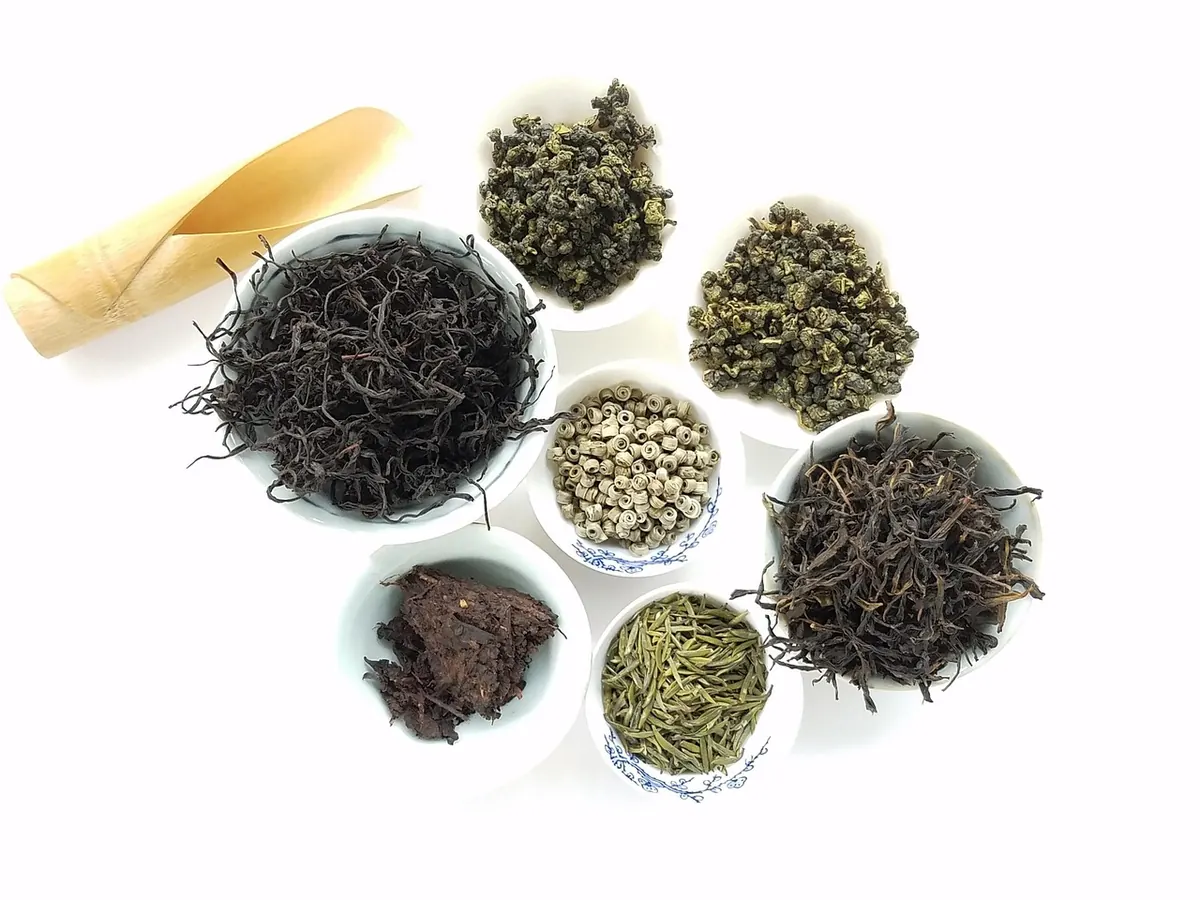
Oolong occupies the middle of the tea world, and that middle is vast. A pale, buttery Taiwanese high-mountain tea and a dark, mineral Wuyi rock tea are both oolongs, yet they taste almost nothing alike.
The two variables that separate them — oxidation and roasting — are also the two worth understanding first. Learn to read those dials and you can guess how an unfamiliar tea will taste, how to brew it, and whether it's the cup you want, all before you buy it.
Two Dials, Not One
New drinkers often treat "oolong" as a flavor. It's a process. After plucking, leaves are withered, then tossed and bruised, which breaks down cell walls and lets enzymes meet oxygen. The leaf darkens from grass green toward copper and bronze. That's oxidation, and it's why "semi-fermented" — an old term still printed on some labels — is misleading. Nothing is fermenting the way it does in sour beer or sauerkraut.
Roasting is a separate step, applied after the leaves are rolled and shaped. A tea maker uses charcoal, electric heat, or both to dry the leaf slowly and push its aromatics toward toast, caramel, and dried fruit. Some oolongs are never roasted. Others are roasted for hours, rested for weeks, then roasted again.
The dials move independently. You can find a barely oxidized tea with a heavy charcoal roast, like a traditional Muzha Tieguanyin, or a deeply oxidized tea with only a light roast, like many Wuyi rock oolongs. That's why one number on a label rarely tells the whole story.
Light Oolong: Floral, Green, and Easy to Bruise
Light oolongs are the closest cousins to green tea. Oxidation is low, roast is minimal or absent, and the leaves stay jade green. Think modern Anxi Tieguanyin, Taiwanese high-mountain teas from Alishan, Shanlinxi, and Lishan, and the gently oxidized Baozhong.
Expect orchid and lilac, gardenia, fresh cream, sugarcane, sometimes a snap of sweet pea. The texture is often soft and buttery, and good ones finish with a lingering floral coolness rather than plain sweetness.
This is the style most likely to turn bitter in careless hands, and the fix isn't less leaf — it's shorter steeps. Use plenty of leaf, roughly 5 grams per 100 ml of water in a gaiwan, and start your water a notch below boiling, around 90°C (195°F). Pour, then pour off after 20 to 30 seconds. If the cup tastes sharp, cut the time rather than the temperature; high-mountain oolongs can take heat, but they can't take being left to sit.
Medium Oolong: The Balanced Middle
Medium styles sit where oxidation and roast are both noticeable but neither dominates. Traditional Dong Ding from Nantou, medium-roast Tieguanyin, and many Phoenix Dan Congs belong here.
Flavors shift toward honey, toasted grain, baked apple, apricot, and brown sugar, with a warm, rounded finish. The greener edges soften. These teas are often the easiest oolongs to like, especially for anyone who finds light styles too perfumed and dark styles too smoky.
Brew a little hotter, around 93-96°C, and steep 30 to 45 seconds for the first infusion. Because the roast smooths the leaf's rougher edges, medium oolongs forgive a clumsy pour and hold up well in a mug with an infuser basket, though you'll get more from them in a small pot.
Dark Oolong: Roasted, Mineral, Forgiving
Dark oolongs are the roasted end of the spectrum: Wuyi rock oolongs such as Rou Gui, Shui Xian, and Da Hong Pao; charcoal-roasted Taiwanese teas; and aged oolongs that have spent years in storage.
The flavors are deep and savory — dark cocoa, roasted nuts, caramelized sugar, sandalwood, dried longan, wet stone. Wuyi teas in particular leave a mineral, almost saline sensation in the throat that drinkers call rock rhyme. Roast and oxidation together can push a tea toward smoke, but the best examples fold that fire into the flavor instead of announcing it.
These are the most tolerant oolongs to brew. Use boiling water. Rinse the leaf once, pouring hot water over it and discarding that quick first infusion, to wake the tea and shed surface roast. Then steep 30 to 60 seconds and expect six or more infusions from good leaf. Water that's too cool leaves a dark oolong flat and hollow.
Brewing Cheat Sheet
Same leaf, same water, three temperaments. As a starting point in a gaiwan or small pot:
- Light oolong: 5 g per 100 ml, 90°C water, 20-30 second first steep. Chase the florals; keep steeps short.
- Medium oolong: 5 g per 100 ml, 93-96°C, 30-45 seconds. A good bridge style if you're not sure what you like yet.
- Dark oolong: 5-7 g per 100 ml, boiling water, rinse first, then 30-60 seconds. These reward patience and long sessions.
- Any style: preheat your vessel, use filtered water, and add 5-10 seconds to each steeping that follows.
Three Mistakes Worth Avoiding
- Steeping light oolong like a black tea. A three-minute steep flattens the aromatics and brings out astringency. Short and repeated beats long and single.
- Skimping on leaf. A pinch of oolong in a big mug gives thin, bitter water. These teas are built for generous leaf and quick steeps.
- Ignoring storage. Light oolongs fade with air, light, and kitchen smells, so keep them sealed and dark. Roasted oolongs are sturdier and often settle nicely after a few weeks of rest.
Where to Start
Buy small amounts of three teas and taste them side by side: a light Taiwanese high-mountain oolong, a traditional medium-roast Dong Ding, and a Wuyi rock oolong. Brew them with the same water and roughly the same leaf-to-water ratio, changing only one thing at a time — temperature first, then steep time. Take notes. Within a few sessions you'll know whether you lean floral, honeyed, or roasted, and you can shop that direction with confidence.
One practical note on caffeine: oolong is a caffeinated drink, and dark, heavily leafed brews can hit fairly hard. If caffeine affects your sleep or health, keep tasting sessions earlier in the day and ask a doctor what's right for you.
Photo: farwestteatraders / Pixabay