October 10, 2026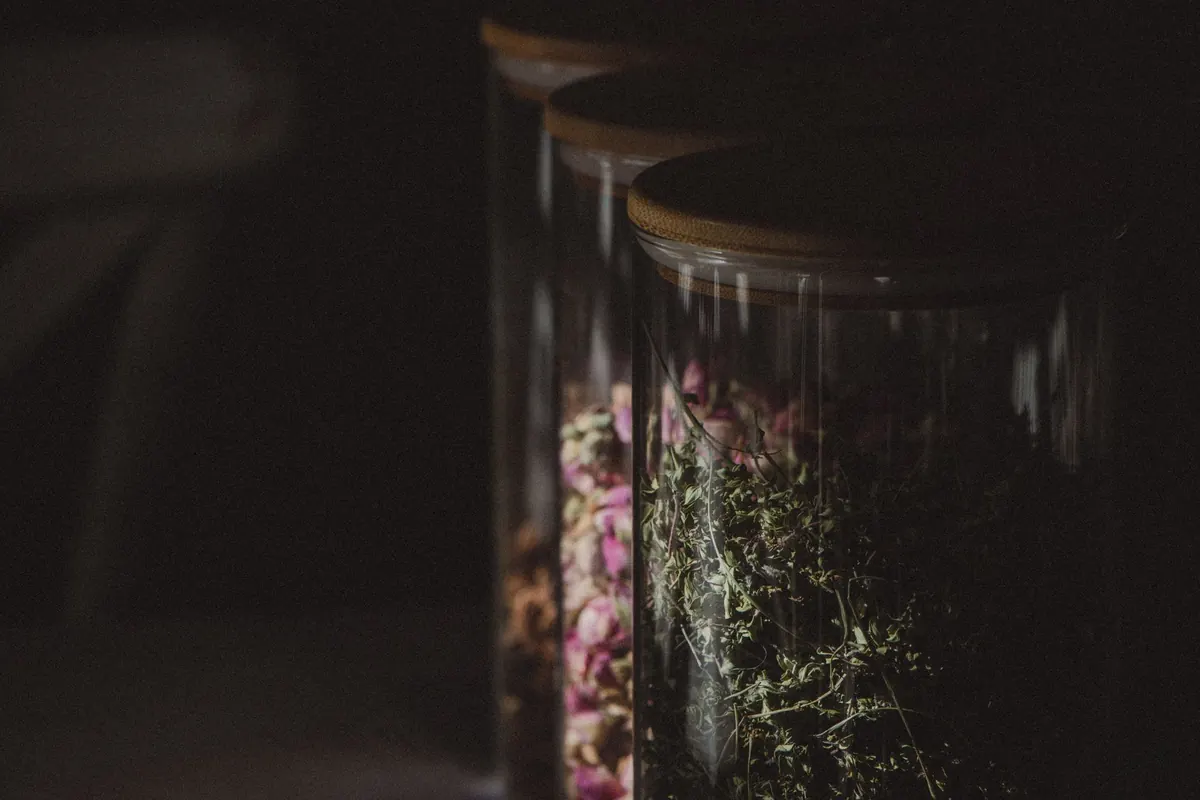
Tea is a stubborn kind of fresh food. It will sit quietly in a cupboard for months, but every day it spends in open air, bright light, or next to the spice rack, it loses a little of what you paid for. The fix is not expensive gear. It is choosing the right container for how fast you drink, then avoiding the three habits that quietly flatten a good leaf.
What Actually Ruins Tea
Dried leaves are not inert. They still hold aromatic oils, and those oils are what you taste as chestnut, orchid, cocoa, or roasted sugar. Five things break them down:
- Light — especially direct sun, which both bleaches leaf color and speeds oxidation.
- Air — oxygen reacts with the leaves every time the container is opened.
- Moisture — tea is hygroscopic, meaning it pulls water from the air. Damp leaves go flat, then musty.
- Heat — a shelf above the kettle or stove ages tea far faster than a cool cupboard.
- Odor — tea absorbs whatever is nearby. Coffee, onions, and strong spices are the usual culprits.
Air and moisture do the most damage, and they are the two things a good container controls. Light and odor are easy to manage once you stop treating tea as decoration.
Five Containers Worth Owning
1. Double-lidded tea tins
The standard for a reason. A metal tin with an inner press lid and an outer cap keeps air exchange low and blocks light completely. The trick is size: match the tin to the amount of tea you actually have. A 50-gram pouch rattling around in a large tin is mostly headspace, and headspace is air waiting to work on your leaves. If your tin is too big, leave the tea in its foil bag and drop the whole bag inside.
2. Opaque ceramic or stoneware jars with a gasket
A clamp-lid jar with a silicone ring looks good on the counter and seals well enough for tea you will finish in a few weeks. Choose opaque over clear. A clear glass jar on an open shelf is the single most common mistake in home tea storage, and even inside a cabinet, glass lets in light every time the door swings open.
3. Foil-lined zipper pouches
This is what most good vendors already ship your tea in, and it is often the best thing you own. Roll the top down, press the air out, and zip. Some pouches include a one-way valve that lets fresh-roasted teas degas without letting oxygen back in. Keep the pouch inside a tin if you want a second layer against light, and use it for teas you will drink within a couple of months.
4. A tea caddy for the week
A small tin or a compartmented caddy holding three to five days' worth of leaf solves a subtle problem: the more often you open the main stash, the faster it fades. Fill the caddy once or twice a week and leave the bulk container shut. For matcha, go smaller still. Because it is powdered, it oxidizes faster than loose leaf and deserves its own tightly closed tin.
5. Heavy-duty freezer bags, for long-term storage
If you bought a large amount of green tea or a seasonal lot you want to keep for many months, portion it, press the air out, and seal each portion in a heavy freezer bag, then store the bags inside a tin. Do not open and reseal the same bag repeatedly. When you are ready to drink one, let the sealed bag come fully to room temperature before opening it, so condensation does not form on the leaves.
Three Mistakes That Cost You Flavor
Mistake 1: The pretty jar in the window
Clear glass, a wide mouth, and a sunny shelf combine three problems at once. Light breaks down the leaf, warmth accelerates it, and every scoop admits a fresh lungful of oxygen. If you love seeing your tea, keep a small amount in a jar inside a closed cabinet and store the rest properly.
Mistake 2: One giant jar, opened twice a day
A large container with a small amount of tea means a large volume of air sitting on top of it. Open that jar every morning and you cycle fresh oxygen through the leaves daily. Portion instead: a small caddy for the week, the bulk container sealed and mostly untouched.
Mistake 3: The fridge without a plan
Refrigeration can extend the life of sealed, portioned tea, particularly green and lightly oxidized teas. It can also ruin tea that goes in loose. An open bag in the fridge absorbs the smell of last night's dinner, and pulling it out into a warm kitchen creates condensation on cold leaves. If you refrigerate, double-bag, squeeze out the air, and let the tea warm up before you open it. If that sounds like too much trouble, a cool dark cupboard is a perfectly good answer.
Match the Vessel to the Tea
Not every tea wants the same treatment. Green teas and light oolongs are the most fragile: buy smaller amounts, keep them airtight and dark, and drink them within a few months of opening. Black teas, roasted oolongs, and most aged white teas hold up better and can sit a year or more in a good tin without much loss. Pu'er and other intentionally aged teas are the exception — they are meant to breathe, so keep them in their paper wrapper in a clean, odor-free spot rather than sealing them in metal.
A tea stored well tastes like the day you opened it. A tea stored carelessly tastes like the cupboard it sat in.
Label, Date, and Rotate
Write the tea name and the date you opened the bag on a strip of tape and stick it on the lid. Two containers of similar-looking green tea are impossible to tell apart six weeks later, and the date tells you which one to finish first. Keep the oldest tea in the front of the shelf and treat the shelf as a queue: nothing new goes in unless something older comes out. When a tin is empty, let it air out completely before refilling it with a different tea, or the previous leaf will season the next one.
A Five-Minute Routine That Works
Good storage is mostly repetition, not equipment. Set it up once and the rest takes seconds a day.
- Pick one dark, cool, dry cupboard, away from the stove, the kettle, and the spice rack.
- Give each tea its own container, labeled with the name and the date it was opened.
- Decant only a few days' worth into a small caddy. Leave the bulk container closed.
- Squeeze air out of foil pouches before zipping, and press the inner lid down on every tin.
- Once a month, look through the shelf. Anything untouched for months becomes your next pot, or a gift to a friend who will drink it sooner.
Do that, and the tea you bought for its aroma will still have it in March. Skip it, and you will be tasting the cupboard instead.
Photo: Rahib Yaqubov / Pexels